On this page
- Why Follow-Up Is Where Agents Leave the Most Money
- What AI Follow-Up Looks Like in Practice
- Day 1: Immediate Response
- Days 2-3: Value-Add Follow-Up
- Days 5-7: Re-Engagement
- Days 10-14: Social Proof
- Days 21-30: Long-Term Nurture
- AI Follow-Up vs. Manual Follow-Up
- The Revenue Impact
- Building Your AI Follow-Up System
- 1. Map Your Current Process
- 2. Write Authentic Messages
- 3. Define Behavior Triggers
- 4. Set Up Escalation Rules
TL;DR
Why Follow-Up Is Where Agents Leave the Most Money
Here's the uncomfortable truth about real estate lead conversion:
↑80%
Of sales happen after the 5th contact
But most agents give up after 1-2 attempts. Not because they're lazy — because they're busy. When you have 15 active clients, following up with 200 leads is physically impossible.
AI changes the math entirely.
What AI Follow-Up Looks Like in Practice
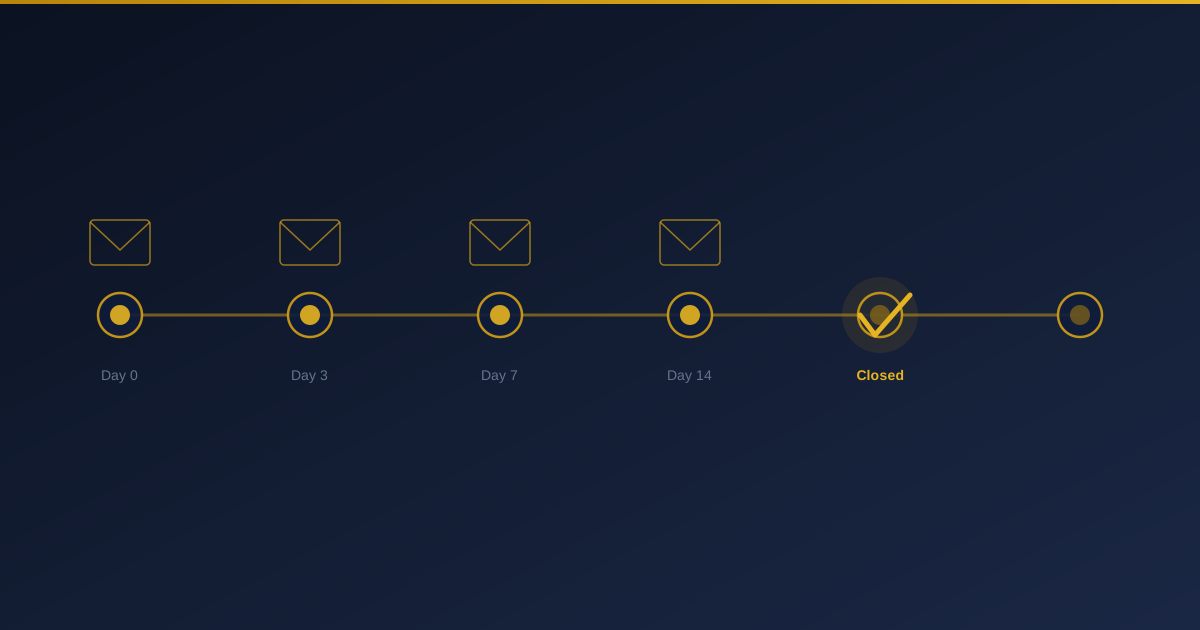
A good AI follow-up sequence isn't just a drip campaign with 5 canned emails. It's an adaptive system that responds to lead behavior:
Day 1: Immediate Response
- Text + email within 2 minutes of inquiry
- Qualifying questions embedded naturally
Days 2-3: Value-Add Follow-Up
- Market data for neighborhoods they expressed interest in
- New listings matching their criteria
- Helpful content (buying guide, moving checklist)
Days 5-7: Re-Engagement
- "I noticed you viewed 3 homes in Lakewood — want me to set up showings?"
- Direct question about timeline and readiness
Days 10-14: Social Proof
- Client success stories from the same neighborhood
- Market trend data showing why now is a good time
Days 21-30: Long-Term Nurture
- Monthly market updates
- New listing alerts matching their criteria
- Annual home value estimates (for homeowner leads)
The Key Difference
Traditional drip campaigns send the same emails to everyone on the same schedule. AI sequences adapt based on what the lead does — which listings they click, which emails they open, and how they respond to texts.
AI Follow-Up vs. Manual Follow-Up
| Manual | AI-Powered | |
|---|---|---|
| Touches per lead | 1-2 | 7-12 |
| Personalization | Generic | Behavior-based |
| Consistency | Spotty | 100% |
| Weekend/evening coverage | None | 24/7 |
| Agent time required | 2-3 hrs/day | 0 hrs |
| Leads that fall through cracks | 35%+ | 0% |
The Revenue Impact
For a typical agent generating 50 leads/month:
↑17
Additional leads engaged per month (that would have been ignored)
↑3-5
Extra closings per quarter
↑$100K+
Estimated additional annual commission
Building Your AI Follow-Up System
1. Map Your Current Process
How many touches does each lead currently get? Where do most leads drop off? This tells you where AI will have the biggest impact.
2. Write Authentic Messages
The AI sends messages in your voice and brand. Spend time crafting templates that sound like you — not a corporate newsletter.
3. Define Behavior Triggers
What should happen when a lead opens an email? Clicks a listing? Doesn't respond after 7 days? Map these triggers to specific actions.
4. Set Up Escalation Rules
When does the AI hand off to a human? Define the signals: a lead asking to schedule a showing, requesting a callback, or expressing urgency.
✅ The Bottom Line
Following up isn't glamorous, but it's where most of your commission is hiding. AI makes persistence automatic — so you close the deals that every other agent leaves on the table.
How many deals are you leaving on the table?
We'll analyze your lead follow-up process and show you exactly where the revenue gaps are.
Get Your Free AI Audit →